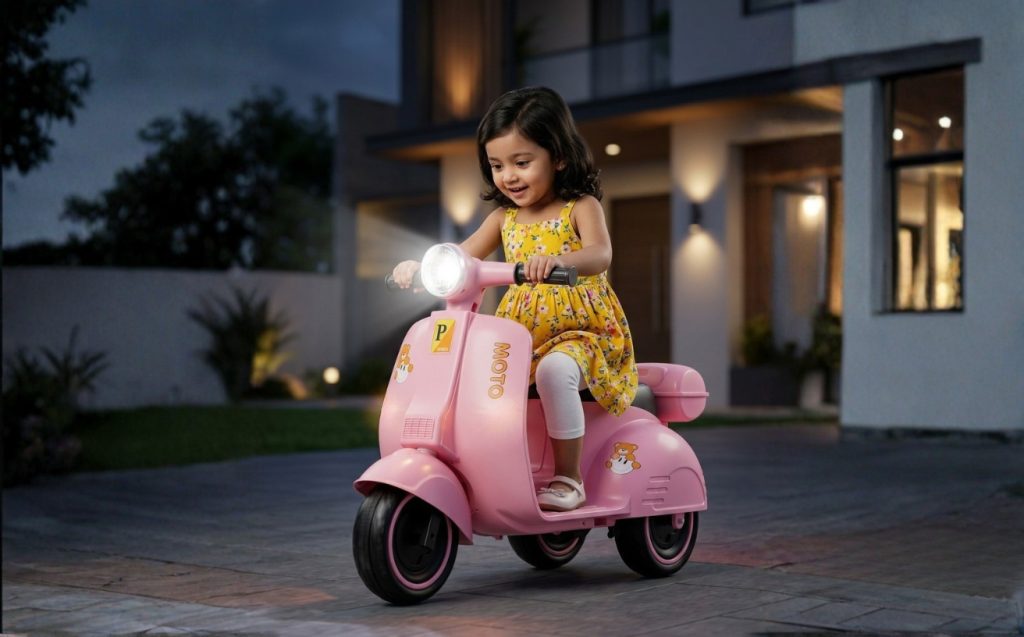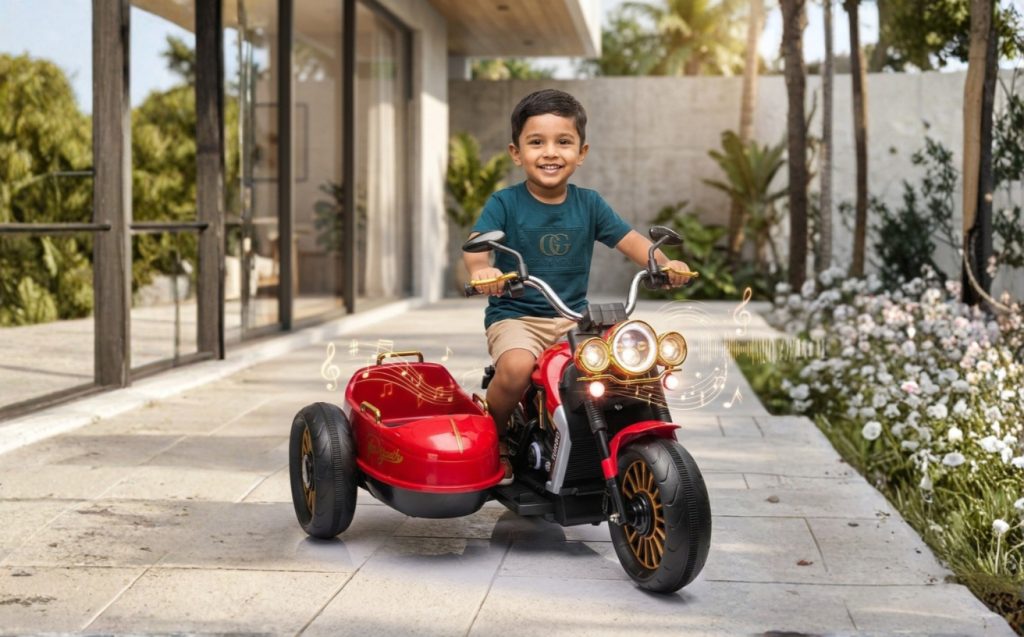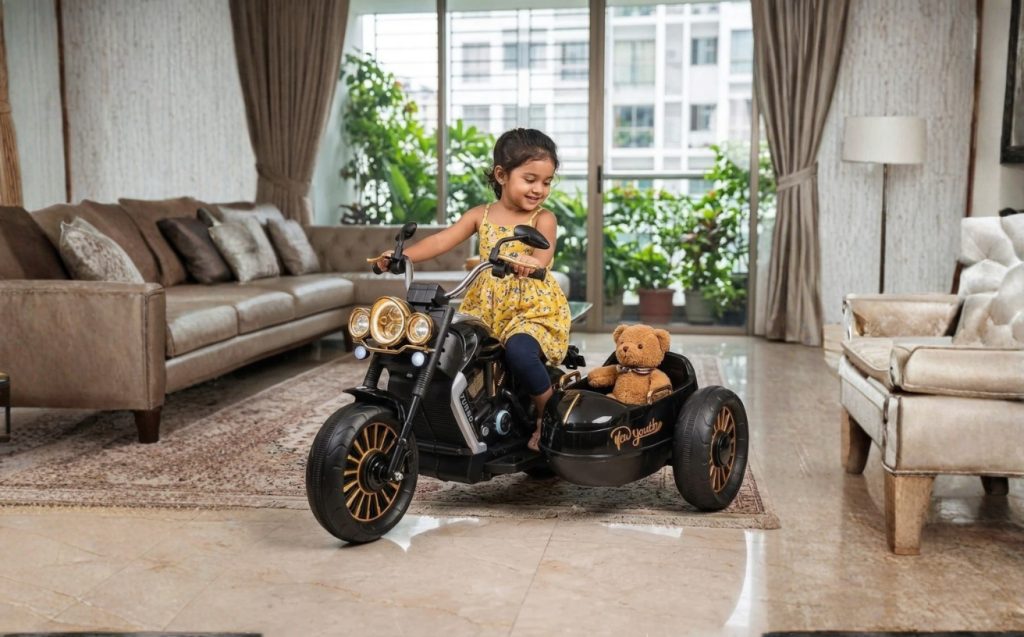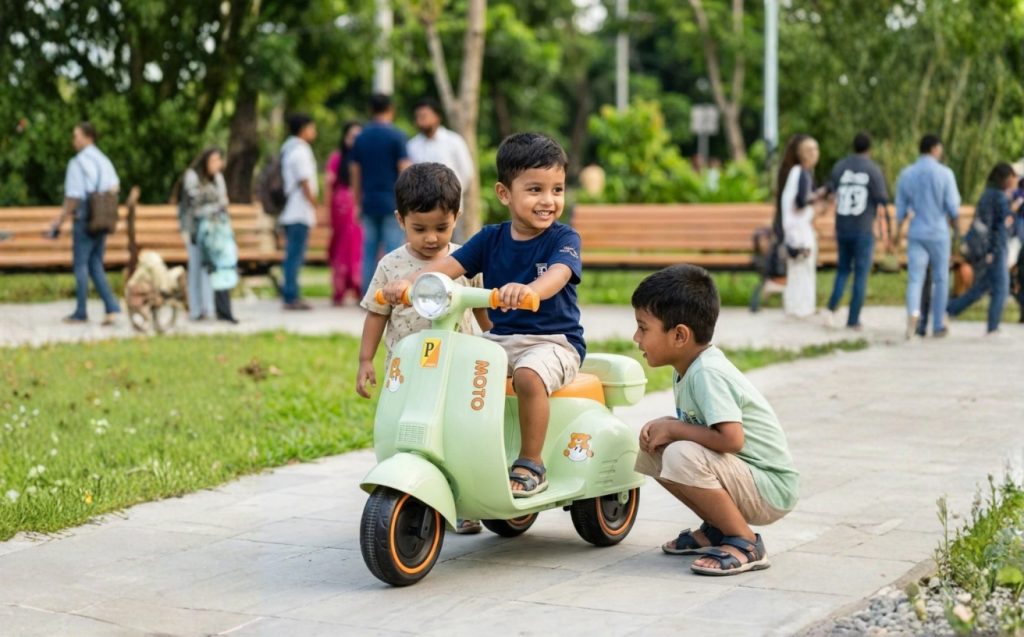

A mini kids electric scooter looks simple from the outside: three wheels, a battery, a throttle. But the model that suits a 3-year-old is not the model that suits a 7-year-old, and the wrong match is where most returns and accidents happen. Parents in Bangladesh are buying these scooters faster than ever, yet most product pages list a top speed and stop there.
This guide fills that gap. It walks through age fit, weight limits, battery behavior, and the safety standards that separate a well-built mini kids electric scooter from a risky import. You will also see how it compares to other ride-on toys, so you can decide if this is the right first ride for your child.
By the end, you will know exactly what specs to check, what age range each scooter type suits, and which questions to ask a seller before you pay.
Quick Answer: A mini kids electric scooter is a battery-powered, low-speed ride-on built for children roughly age 3 to 8. Look for a top speed under 6 km/h for toddlers (up to 16 km/h for older kids), a weight limit that covers your child with 15–20% headroom, a low deck height, and compliance with recognized toy or scooter safety standards such as EN71 or ASTM F963/F2641.
What Age Is Right for a Mini Kids Electric Scooter?
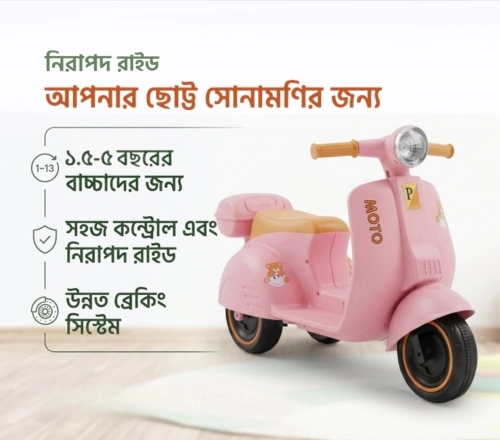
Most mini kids electric scooters are built for children between 3 and 8 years old, with the exact minimum age set by the model’s speed and seat design. A scooter capped at 3–6 km/h suits a toddler who is still building balance. A model reaching 10–16 km/h needs a child with steadier reflexes, usually age 6 and up.
Toddlers vs Early Grade-Schoolers
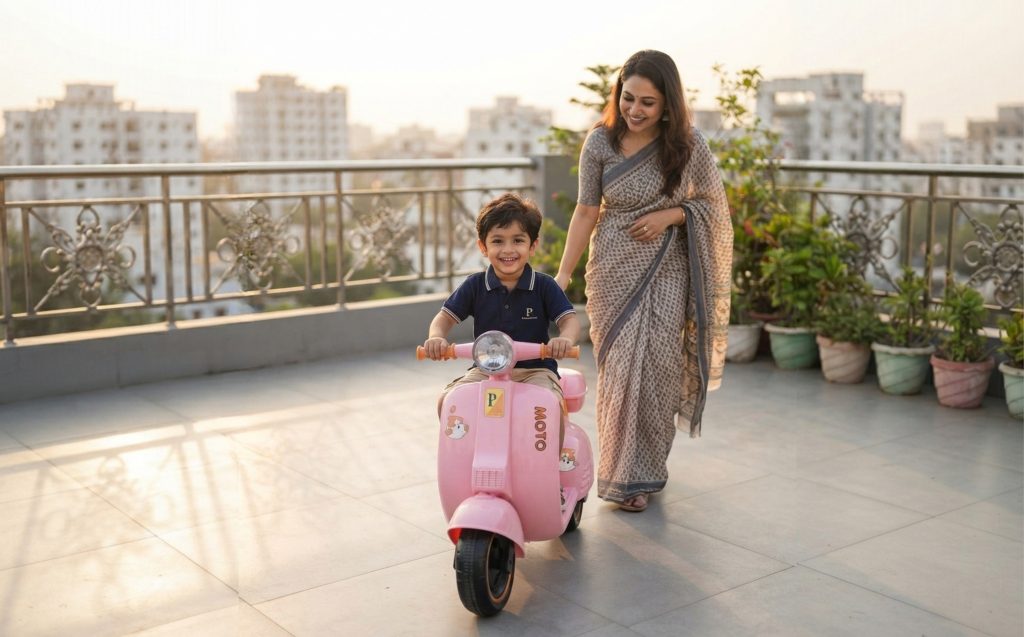
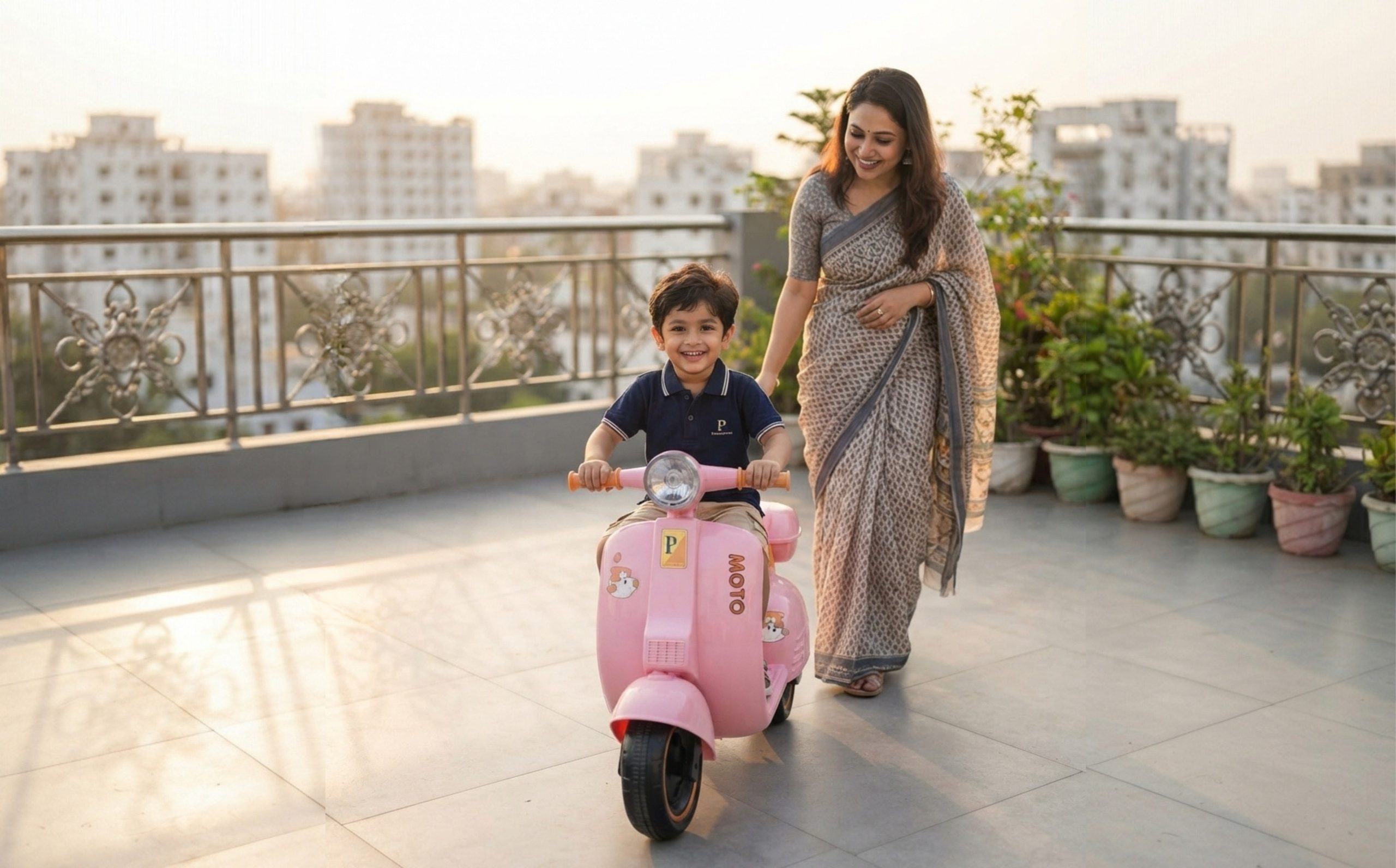
Toddlers age 3 to 5 do best on a seated, three-wheel mini kids electric scooter with a wide base and a low top speed. The seat lowers the center of gravity and removes the balance demand that a standing scooter places on young legs. Children age 6 to 8 can usually handle a standing platform, a slightly higher speed, and hand-operated brakes, since they have better reaction time and coordination.
Signs Your Child Isn’t Ready Yet
A child who cannot yet walk in a straight line without wobbling, hold a squeeze grip for more than a few seconds, or follow a stop instruction immediately is not ready for a motorized ride, even a slow one. Wait a few months and reintroduce a non-motorized push scooter first. Rushing this step is the most common reason parents end up with an unused scooter in storage.
Weight Limit and Size: Does Your Child Fit?
Every mini kids electric scooter carries a maximum load rating, typically between 20 kg and 50 kg for toddler and early-grade-school models. Staying well under that number matters more than hitting it exactly, because a scooter running near its limit drains the battery faster, slows down, and puts more strain on the motor and wheels.
A safe rule is to leave 15–20% of headroom between your child’s current weight and the scooter’s rated limit. A child who weighs 18 kg should ride a scooter rated for at least 22–25 kg, not one rated exactly at 18 kg. This margin also covers the natural weight gain over the next year of use.
Deck Height and Handlebar Reach
Low deck height (ideally under 15 cm from the ground) helps a young child step on and off without help and lowers the fall distance if they lose balance. Handlebars should sit roughly at hip to chest height when your child stands next to the scooter, not at shoulder height, since reaching upward reduces steering control.
Safety Standards Every Mini Kids Electric Scooter Should Meet
A safe mini kids electric scooter carries a recognized compliance mark, most commonly EN71 (the European toy safety standard covering mechanical, chemical, and flammability hazards) or ASTM F963 for battery-powered ride-on toys. Faster models built for older kids fall under ASTM F2641, the U.S. specification for recreational powered scooters, which caps speeds at 16 km/h for ages 8–12 and 32 km/h for ages 13 and up.
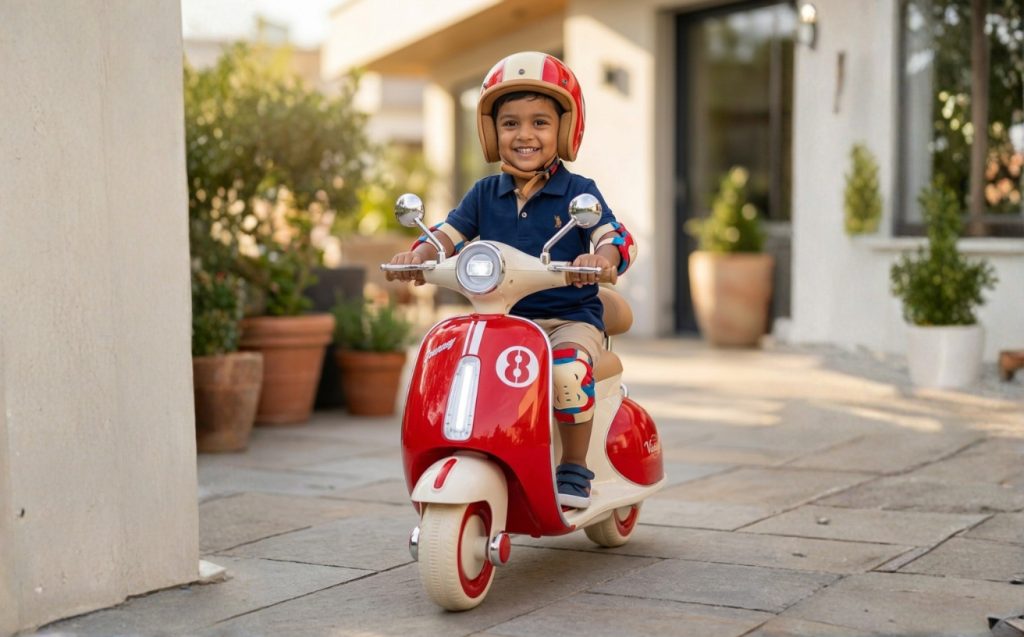
The U.S. Consumer Product Safety Commission (CPSC) separately recommends that riders wear a certified helmet with knee and elbow pads, that handlebars and the steering column lock securely before every ride, and that children stick to smooth, paved surfaces away from traffic and away from water, sand, or gravel. These same habits apply directly to a slower mini kids electric scooter, since most injuries come from falls on uneven ground rather than from speed alone.
What to Check Before You Buy
Before ordering, confirm four things: a stated maximum speed, a stated weight limit, a battery with over-charge protection, and non-slip deck material. A listing that skips all four specs is a signal to ask the seller directly rather than assume the scooter meets any standard.
Battery, Speed, and Ride Time: What’s Safe for Young Riders
Most mini kids electric scooters for ages 3–6 use a 6V or 12V battery capped near 3–6 km/h, giving 20–40 minutes of continuous ride time per charge. Models aimed at ages 6–8 often step up to a 12V or 24V system with a 6–10 km/h cap and 30–45 minutes of runtime.
Lower voltage is not a downgrade here; it is a deliberate safety limit. A toddler cannot process a sudden stop or a steering correction at speeds that feel manageable to an 8-year-old. When comparing listings, treat top speed as the primary filter, above color, design, or extra lights.
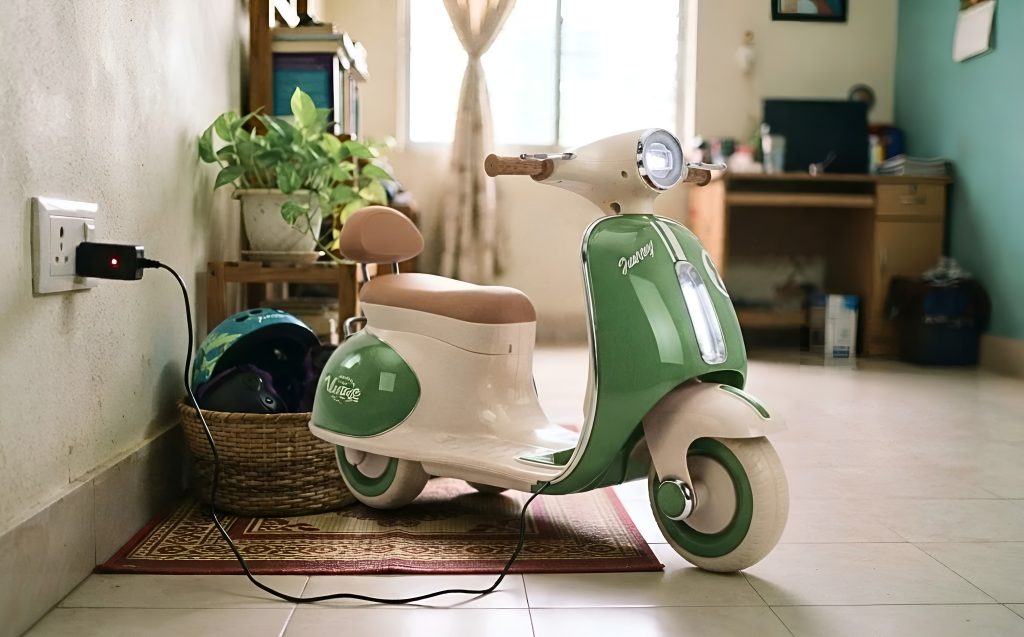
Charging habits matter as much as the battery spec. Charge on a hard, ventilated surface, never leave a charging scooter unattended overnight, and unplug as soon as the indicator shows full. This is standard advice from CPSC’s guidance on battery-powered ride-on products and applies to any electric toy, not just scooters.
Mini Kids Electric Scooter vs Other Ride-On Toys
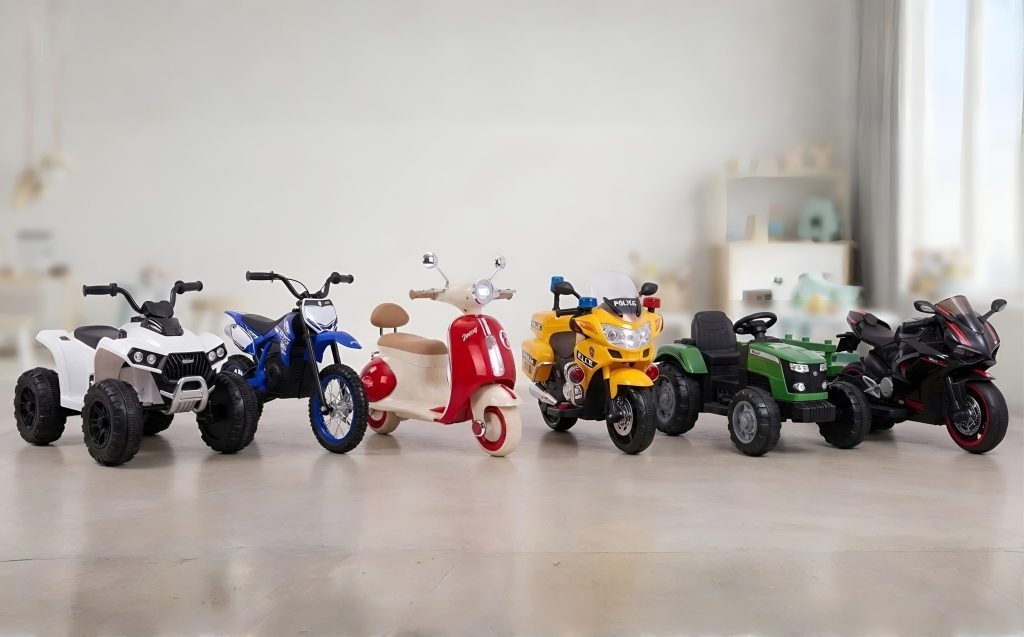
Parents often compare a mini kids electric scooter against a manual kick scooter, a ride-on toy car, or a self-balancing scooter before deciding. The table below lines up the core differences.
| Ride-On Type | Recommended Age | Typical Speed | Weight Limit | Safety Level | Best For |
|---|---|---|---|---|---|
| Mini Kids Electric Scooter | 3–8 years | 3–10 km/h | 20–50 kg | High (seated/low deck models) | First motorized ride, short daily rides |
| Manual Kick Scooter | 3–10 years | Rider-controlled | 25–50 kg | High, but balance-dependent | Building coordination and leg strength |
| Ride-On Toy Car | 2–6 years | 3–8 km/h | 25–30 kg | High (seated, wide base) | Very young toddlers, indoor/yard use |
| Self-Balancing Scooter | 8+ years (per ASTM) | 6–16 km/h | 45–100 kg | Lower for young children | Older kids with strong balance |
A seated, three-wheel mini kids electric scooter sits at the safer end of this range for younger children because it combines a low top speed with a stable base, unlike standing or balance-dependent models.
Pick the Right Mini Kids Electric Scooter for Your Child
Match the scooter to your child’s current age, weight, and balance, not to the fastest or flashiest listing you find. A model with the right weight headroom, a capped low speed, and a stable seated design will get more actual use than a scooter your child outgrows in a month or feels unsteady on from day one.
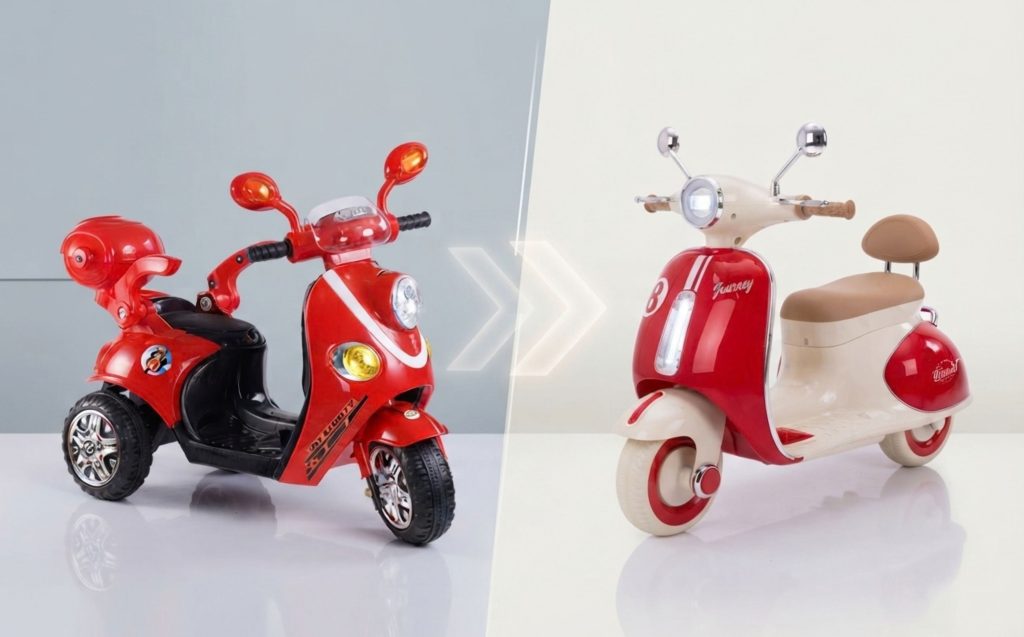
If you’re shopping in Bangladesh, the Mini Kids Vintage Style Baby Scooter is built around these exact fundamentals: a low deck, a wide stable base, and a speed range suited to early riders. It’s worth comparing against our full best kids electric scooters in Bangladesh roundup and this kids electric scooter price guide so you know what a fair price looks like before you order.
For families who prefer a classic look, our vintage-style baby scooter post covers design options, and our broader guide to ride-on toys for kids is a good next stop if you’re still deciding between a scooter and another ride-on type.
Frequently Asked Questions
What age can a child start using a mini kids electric scooter?
Most children can start on a seated, low-speed mini kids electric scooter around age 3, provided the model is capped under 6 km/h and has a wide, stable base. Standing models with higher speeds are better suited to children age 6 and up who have steadier balance and faster reaction time.
How fast do mini kids electric scooters go?
Toddler-focused mini kids electric scooters typically top out between 3 and 6 km/h, while models built for ages 6–8 reach 8–10 km/h. Faster units near 16 km/h fall under a different safety category meant for children age 8 to 12, per ASTM F2641.
Is a mini kids electric scooter safe for a 3-year-old?
Yes, if the model is a seated, three-wheel design with a top speed under 6 km/h, a low deck, and a weight rating well above the child’s current weight. Always add a helmet and knee pads, and supervise every ride on a smooth, flat surface.
What is a safe weight limit to look for?
Choose a scooter rated at least 15–20% above your child’s current weight. For example, a 20 kg child should ride a scooter rated for 24–25 kg or more, which protects battery performance and reduces strain on the motor.
Does my child need a helmet on a mini kids electric scooter?
Yes. The CPSC recommends a certified helmet along with knee and elbow pads for any scooter rider, including children on slower, battery-powered models, since most injuries result from falls rather than collisions.
How long does the battery last on a single charge?
Most mini kids electric scooters run for 20 to 45 minutes per charge, depending on battery voltage and rider weight. Charge on a hard, ventilated surface and unplug as soon as the indicator shows full to protect battery life.